...

Two Periods in One Month: Causes, Symptoms, and When to Worry

Two Periods in One Month

Are you having two periods in one month? You may wonder if it’s normal, whether you’re pregnant, or if something is wrong with your health.

Having two periods in one month doesn’t always mean you have a serious medical problem. Sometimes, it simply happens because your menstrual cycle is naturally shorter than average. In other cases, it may be caused by stress, hormonal changes, birth control, or an underlying health condition.

A normal menstrual cycle usually lasts between 21 and 35 days. So, if your cycle is around 21 to 24 days, it’s possible for you to have one period at the beginning of the month and another before the month ends. This is completely normal for many women.

But, if your menstrual bleeding is unusually heavy, lasts longer than normal, happens frequently, or comes with severe pain, it could be a sign that something else is going on.

In this guide, you’ll learn what it means to have two periods in one month, the most common causes, treatment options, and when it’s time to see a doctor.

Is It Normal to Have Two Periods in One Month?

Two Periods in One Month

Yes, it can be normal depending on the length of your menstrual cycle.

A healthy menstrual cycle usually lasts between 21 and 35 days, with 28 days being the average. If your cycle is naturally shorter, your next period may arrive in the same month before the calendar month ends.

For example, if your period starts on the 2nd of the month and your cycle lasts 21 days, your next period could begin around the 23rd. Even though you’ve had two periods in one calendar month, your cycle is still completely normal.

It’s also important to know the difference between a real period and spotting.

A true period usually lasts between 2 and 7 days and has a steady flow that requires sanitary pads or tampons.

Spotting, on the other hand, is much lighter. It may appear as a few drops of pink, red, or brown blood and often doesn’t require a pad. Many women mistake spotting for a second period when it’s actually caused by ovulation, hormonal changes, or birth control.

If this is the first time you’ve experienced two periods in one month and your bleeding is light, it may not be a cause for concern. But if it keeps happening, becomes very heavy, or is accompanied by severe pain, it’s a good idea to speak with your healthcare provider.

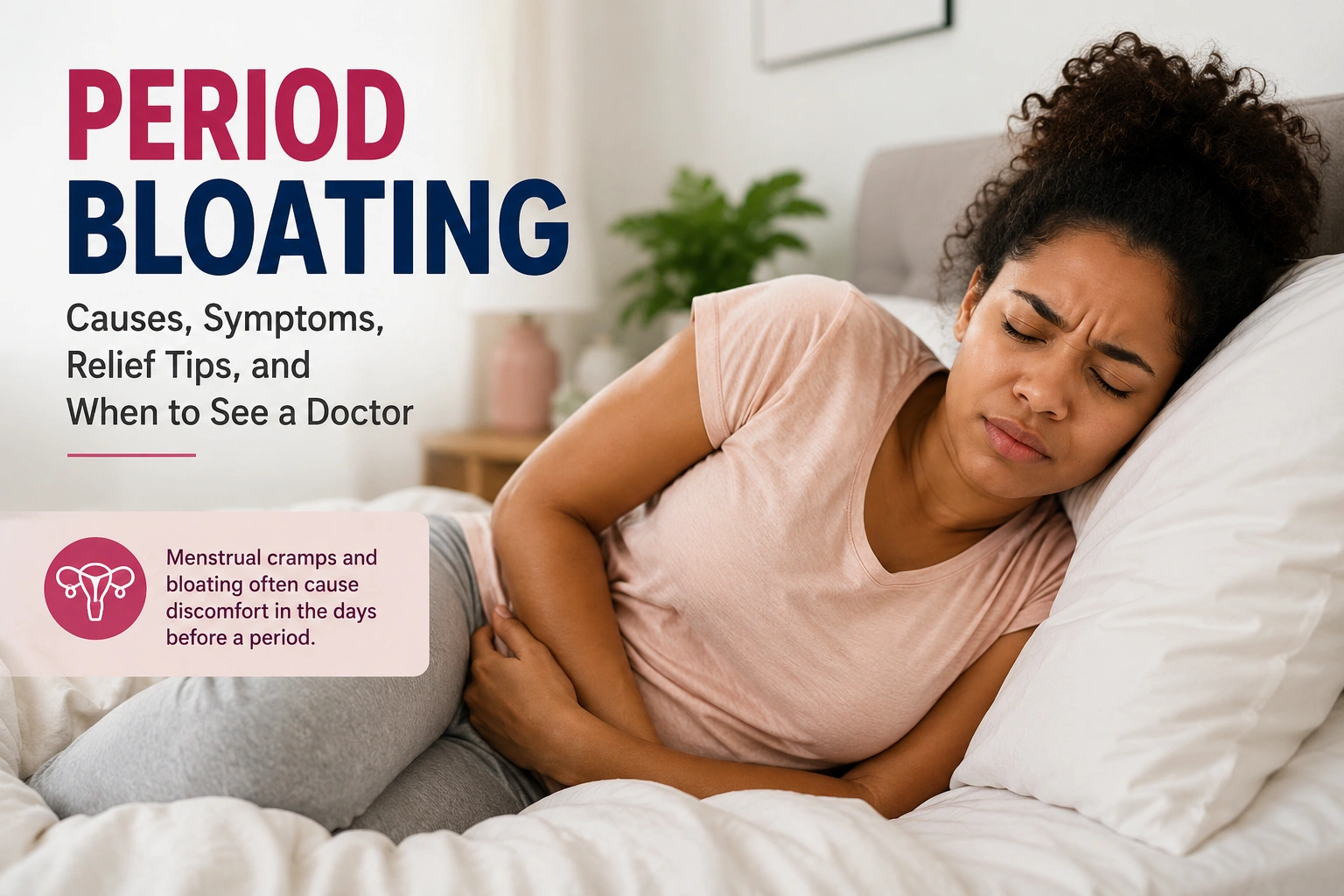
See AlsoPeriod Bloating: Causes, Symptoms, Relief Tips, and When to See a Doctor

What Causes Two Periods in One Month?

There are many reasons why you may have two periods in one month.

Here are some of the most common causes.

Short Menstrual Cycle

One of the most common reasons for having two periods in one month is a short menstrual cycle.

A normal cycle lasts between 21 and 35 days. If your cycle is naturally around 21 to 24 days, you may have one period at the beginning of the month and another before the month ends.

For example, if your period starts on the 3rd of the month, your next period may begin around the 24th. Although it looks like you’ve had two periods in one month, it’s simply because your cycle is shorter than average.

If your cycle has always been this way and your periods are regular, there’s no need to worry.

Hormonal Imbalance

Your menstrual cycle is controlled by hormones, mainly estrogen and progesterone. When these hormones become unbalanced, your periods may come earlier, later, or more than once in a month.

Hormonal changes can happen for many reasons, including:

  • Polycystic Ovary Syndrome (PCOS)
  • Thyroid disorders
  • Rapid weight gain or weight loss
  • Excessive exercise
  • Certain medications

Besides irregular bleeding, you may also notice symptoms such as acne, unwanted facial hair, weight changes, or missed periods.

If hormone imbalance is the cause, treating the underlying condition can helps your menstrual cycle return to normal.

Ovulation Bleeding

Some women notice light bleeding or spotting around the time they ovulate. This is known as ovulation bleeding.

Ovulation usually happens about halfway through your menstrual cycle when your ovary releases an egg. During this time, a small drop in hormone levels may cause light spotting.

Use our ovulation calculator to calculate your ovulation 

Ovulation bleeding is usually:

  • Light pink, red, or brown
  • Much lighter than a normal period
  • Lasts for a few hours to two days

Because it happens between periods, some women mistake it for a second period. However, it’s usually nothing to worry about.

Stress

Believe it or not, stress can affect your menstrual cycle.

When you’re under emotional or physical stress, your body produces more of the hormone cortisol. High cortisol levels can interfere with the hormones that control ovulation and menstruation.

This may cause:

  • An early period
  • A late period
  • Spotting between periods
  • Two periods in one month

Stress from work, school, family problems, illness, poor sleep, or major life changes can all affect your cycle.

The good news is that once your stress levels improve, your menstrual cycle often returns to normal.

Birth Control

If you’ve recently started, stopped, or changed your birth control, you may notice unexpected bleeding.

This is especially common during the first few months after:

  • Starting birth control pills
  • Missing birth control pills
  • Getting a hormonal IUD
  • Using a birth control implant
  • Switching to a different contraceptive method

Your body needs time to adjust to the new hormone levels, so light bleeding or an extra period may happen.

If the bleeding continues for several months or becomes heavy, talk to your healthcare provider.

Pregnancy-Related Bleeding

Many people are surprised to learn that bleeding can happen during early pregnancy.

One common example is implantation bleeding. This happens when a fertilized egg attaches to the lining of the uterus. It usually occurs about 6 to 12 days after conception.

Implantation bleeding is usually:

  • Very light
  • Pink or brown in color
  • Lasts one or two days

Some women mistake it for a light period.

However, bleeding during pregnancy can also be a sign of more serious conditions, such as an ectopic pregnancy or a miscarriage.

If you think you might be pregnant and experience unusual bleeding, take a pregnancy test and contact your healthcare provider as soon as possible.

Perimenopause

As women get closer to menopause, hormone levels begin to change naturally. This stage is known as perimenopause.

Perimenopause usually begins in the 40s, although some women may notice changes in their late 30s.

During this time, you may experience:

  • More frequent periods
  • Skipped periods
  • Heavier or lighter bleeding
  • Hot flashes
  • Night sweats
  • Mood changes

Having two periods in one month can be a normal part of this transition.

Uterine Conditions

Certain conditions that affect the uterus can also cause bleeding between periods or frequent periods.

These include:

  • Uterine fibroids – non-cancerous growths in the uterus.
  • Uterine polyps – small growths that develop in the lining of the uterus.
  • Adenomyosis – when the lining of the uterus grows into the muscle wall.
  • Endometriosis – when tissue similar to the uterine lining grows outside the uterus.

These conditions often cause other symptoms such as heavy bleeding, painful periods, pelvic pain, or blood clots.

Your doctor may recommend an ultrasound or other tests to find the exact cause.

Infections

Some infections can also lead to unexpected vaginal bleeding.

These include:

  • Pelvic inflammatory disease (PID)
  • Sexually transmitted infections (STIs)

Besides bleeding, you may also notice:

  • Lower abdominal pain
  • Unusual vaginal discharge
  • Fever
  • Pain during sex
  • Burning when urinating

These infections should be treated as soon as possible to prevent complications.

Certain Medications

Some medications can affect your menstrual cycle and cause bleeding between periods.

These include:

  • Blood thinners
  • Hormone replacement therapy
  • Some fertility medications
  • Emergency contraceptive pills

If your bleeding started after taking a new medication, don’t stop taking it on your own. Instead, speak with your doctor or pharmacist to find out whether the medication could be responsible.

Home Care Tips

If you’ve had two periods in one month, there are a few simple things you can do at home while you monitor your symptoms or wait to see your doctor.

Note: These tips won’t treat an underlying medical condition, but they can help you feel better and support your overall health.

Track Your Menstrual Cycle

One of the best things you can do is keep track of your menstrual cycle.

Write down:

  • The first day of each period
  • How many days your period lasts
  • Whether the bleeding is light, moderate, or heavy
  • Any spotting between periods
  • Other symptoms, such as cramps, headaches, or mood changes

You can use a notebook, calendar, or a period tracking app.

Keeping a record makes it easier to spot changes and gives your healthcare provider valuable information if you need medical advice. Our menstrual calculator can help you to track your menstrual cycle 

Stay Hydrated

Heavy bleeding can leave you feeling tired and dehydrated.

Drinking plenty of water throughout the day helps your body replace lost fluids and supports your overall health.

If you’re feeling weak, you can also drink fluids such as coconut water or oral rehydration solutions if recommended by your healthcare provider.

Eat Iron-Rich Foods

Frequent or heavy periods can lower your iron levels, especially if the bleeding continues over several months.

Eating foods that are rich in iron may help your body replace some of the iron you’ve lost.

Good sources of iron include:

  • Lean beef
  • Chicken
  • Fish
  • Spinach
  • Beans
  • Lentils
  • Eggs
  • Iron-fortified cereals

Pairing these foods with vitamin C-rich fruits like oranges, strawberries, or guava can help your body absorb iron more effectively.

Get Enough Rest

Your body needs time to recover, especially if you’ve been bleeding heavily.

Getting enough sleep and taking time to rest can help reduce tiredness and improve your energy levels.

Listen to your body. If you feel exhausted, don’t push yourself too hard.

Avoid Self-Medicating

It can be tempting to take medications or herbal remedies to stop the bleeding, but this isn’t always safe.

Some medicines and herbal supplements can actually make bleeding worse or interfere with other treatments.

Instead, speak with your healthcare provider before taking any medication for abnormal bleeding.

Know When to Seek Medical Help

While home care can help you manage mild symptoms, it’s important to know when home treatment isn’t enough.

See your healthcare provider if:

  • Your bleeding becomes very heavy.
  • Your period lasts longer than seven days.
  • You develop severe pelvic pain.
  • You feel dizzy or faint.
  • You have a fever or unusual vaginal discharge.
  • You continue having two periods in one month.

Getting medical advice early can help prevent complications and ensure you receive the right treatment.

Simple home care can help you stay comfortable while your body recovers or while you wait for a medical evaluation. Tracking your menstrual cycle, eating a healthy diet, staying hydrated, and getting enough rest are all good habits that support menstrual health.

However, remember that home remedies can’t treat every cause of abnormal bleeding. If your symptoms are severe or keep coming back, don’t ignore them. Seeing a healthcare provider is the best way to find out what’s causing the problem and get the right treatment.

How to Prevent Irregular Periods

While you can’t prevent every cause of irregular periods, there are healthy habits that can help keep your menstrual cycle as regular as possible.

Taking care of your overall health can also reduce your risk of hormonal imbalances and other conditions that may affect your periods.

Here are some simple ways to support a healthy menstrual cycle.

Maintain a Healthy Lifestyle

Your body functions best when you eat a balanced diet, stay active, and get enough sleep.

Try to:

  • Eat plenty of fruits and vegetables.
  • Include whole grains and lean protein in your meals.
  • Drink enough water every day.
  • Get 7 to 9 hours of sleep each night.
  • Exercise regularly.

These healthy habits support hormone balance and your overall well-being.

Manage Stress

Stress is one of the most common causes of temporary changes in the menstrual cycle.

When you’re stressed, your body releases hormones that can interfere with ovulation and menstruation.

You can reduce stress by:

  • Taking regular breaks during the day
  • Practicing deep breathing or meditation
  • Spending time outdoors
  • Talking to someone you trust
  • Doing activities you enjoy

Even a few minutes of relaxation each day can have a positive impact on your health.

Take Birth Control as Directed

If you’re using hormonal birth control, it’s important to follow your doctor’s instructions.

Missing birth control pills or taking them at different times each day can lead to breakthrough bleeding or irregular periods.

If you’re having frequent bleeding after starting a new contraceptive, don’t stop using it on your own. Instead, speak with your healthcare provider. They may recommend waiting a little longer for your body to adjust or switching to another method.

Maintain a Healthy Weight

Being underweight or overweight can affect the hormones that regulate your menstrual cycle.

If you’re trying to lose or gain weight, aim for gradual, healthy changes instead of extreme diets or rapid weight loss.

A healthy weight can help improve hormone balance and support regular ovulation.

Track Your Menstrual Cycle

Knowing what’s normal for your body can help you notice changes early.

Use our menstrual calculator to record:

  • When your period starts and ends
  • How heavy your bleeding is
  • Any spotting between periods
  • Other symptoms, such as cramps or headaches

If your cycle suddenly changes or becomes irregular, you’ll have useful information to share with your healthcare provider.

Schedule Regular Health Checkups

Regular medical checkups are an important part of maintaining your reproductive health.

Your healthcare provider can help detect conditions such as thyroid disorders, PCOS, uterine fibroids, or other health problems before they become more serious.

Don’t ignore ongoing changes in your menstrual cycle, even if they don’t seem severe.

Listen to Your Body

Your menstrual cycle can tell you a lot about your overall health.

If your periods suddenly become very heavy, stop completely, or start coming much more often than usual, don’t assume they’ll go away on their own.

Paying attention to these changes and seeking medical advice when necessary can help you stay healthy and avoid complications.

The Bottom Line

Although it’s not always possible to prevent irregular periods, living a healthy lifestyle can help keep your menstrual cycle on track. Eating well, managing stress, staying active, maintaining a healthy weight, and keeping track of your periods are simple steps that can make a big difference.

If you continue having two periods in one month or notice other unusual changes in your cycle, don’t wait too long to speak with your healthcare provider. Early diagnosis and treatment can help protect your reproductive health and give you peace of mind.

Frequently Asked Questions (FAQs)

Is It Normal to Have Two Periods in One Month?

Yes, it can be normal. A healthy menstrual cycle usually lasts between 21 and 35 days. If your cycle is naturally shorter, such as 21 to 24 days, you may have two periods within the same calendar month. However, if your periods suddenly become more frequent, are unusually heavy, or are accompanied by severe pain, you should speak with your healthcare provider.

Can Stress Cause Two Periods in One Month?

Yes. Stress can affect the hormones that control your menstrual cycle. Emotional stress, lack of sleep, illness, or major life changes may cause your period to come earlier than expected or lead to spotting between periods. Once your stress levels improve, your menstrual cycle often returns to normal.

Could I Be Pregnant If I Have Two Periods in One Month?

It’s possible, but not very likely.

What looks like a second period could actually be implantation bleeding, which sometimes occurs during early pregnancy. Implantation bleeding is usually much lighter and shorter than a normal period.

If you’ve had unprotected sex and think you might be pregnant, take a pregnancy test. If the bleeding is heavy or comes with severe pain, seek medical attention immediately.

Does PCOS Cause Two Periods in One Month?

Yes, it can. Polycystic ovary syndrome (PCOS) affects the hormones that regulate ovulation. While many women with PCOS experience missed or infrequent periods, others may have irregular bleeding or more than one period in a month.

If you also have symptoms such as acne, unwanted facial hair, weight gain, or difficulty getting pregnant, talk to your healthcare provider about getting tested for PCOS.

Should I Worry If This Only Happens Once?

Not necessarily. Having two periods in one month once isn’t always a cause for concern. It may simply be due to a short menstrual cycle, stress, illness, or temporary hormonal changes.

However, if it keeps happening, your bleeding becomes very heavy, or you develop severe pain or other unusual symptoms, it’s important to see a doctor.

Can Birth Control Cause Two Periods in One Month?

Yes. It’s common to experience irregular bleeding or spotting when you first start using birth control pills, hormonal injections, implants, or an intrauterine device (IUD). Missing birth control pills can also cause breakthrough bleeding.

In most cases, your body adjusts within a few months. If the bleeding continues or becomes heavy, speak with your healthcare provider.

When Should I Take a Pregnancy Test?

If you’ve had unprotected sex and notice unusual bleeding, it’s best to wait until the first day of your missed period or at least 10 to 14 days after unprotected sex before taking a pregnancy test.

For the most accurate result, use your first morning urine.

If your test is negative but your symptoms continue, repeat the test after two or three days or see your healthcare provider.

Can Two Periods in One Month Affect My Chances of Getting Pregnant?

It depends on the cause.

If you have a naturally short but regular menstrual cycle, having two periods in one month usually doesn’t affect your fertility.

However, if irregular bleeding is caused by conditions such as PCOS, thyroid disorders, endometriosis, or uterine fibroids, it may affect ovulation and make it more difficult to conceive.

If you’ve been trying to get pregnant without success and your periods are irregular, speak with a fertility specialist or your healthcare provider.

Can Ovulation Cause Bleeding Between Periods?

Yes. Some women experience ovulation spotting, which is light bleeding that happens around the middle of the menstrual cycle when the ovary releases an egg.

Ovulation spotting is usually pink or brown, lasts for one or two days, and is much lighter than a regular period. It’s generally considered normal and isn’t usually a cause for concern.

When Should I See a Doctor?

You should see a healthcare provider if:

  • You have very heavy bleeding that soaks through a pad or tampon every hour.
  • Your period lasts longer than seven days.
  • You have severe pelvic pain or large blood clots.
  • You have two periods in one month for several months in a row.
  • You’re pregnant and experience vaginal bleeding.
  • You develop dizziness, fainting, fever, or unusual vaginal discharge.

Getting medical advice early can help identify the cause and prevent complications.

The Bottom Line

Having two periods in one month can be surprising, but it doesn’t always mean something is wrong. In many cases, it’s simply the result of a short menstrual cycle or temporary hormonal changes.

However, if the bleeding is heavy, keeps happening, or comes with severe pain or other unusual symptoms, don’t ignore it. Speaking with your healthcare provider can help identify the cause and ensure you receive the right treatment.

Key Takeaways

If you have two periods in one month it can simply be as a result the naturally short menstrual cycle. However, can be due to hormonal changes, stress, birth control, pregnancy-related bleeding, or an underlying medical condition.

Here are the key takeaway:

  • Normal menstrual cycle lasts between 21 and 35 days, so having two periods in one month can be normal if your cycle is short.
  • Temporary factors such as stress, illness, weight changes, or starting a new birth control method can cause irregular bleeding.
  • Hormonal conditions like PCOS, thyroid disorders, uterine fibroids, endometriosis, and infections can also lead to frequent or irregular periods.
  • Not all bleeding is a menstrual period. Light spotting may be caused by ovulation or implantation bleeding during early pregnancy.
  • Continues tracking of your menstrual cycle can help you notice changes and provide useful information for your healthcare provider.
  • You should seek medical advice if your bleeding is very heavy, lasts longer than seven days, happens repeatedly, or is accompanied by severe pain, dizziness, fever, or unusual vaginal discharge.
  • Take a pregnancy test and contact your healthcare provider if you experience unusual bleeding or severe abdominal pain.
  • Treating the underlying cause can help restore your regular menstrual cycle and improve your overall reproductive health.

If you’re concerned about sudden changes in your menstrual cycle, don’t ignore them. Speak with your healthcare provider to find out what’s causing the problem.

Helpful Period calculator for you:

References

  1. American College of Obstetricians and Gynecologists. (n.d.). Abnormal uterine bleeding. Retrieved July 15, 2026, from https://www.acog.org/womens-health/faqs/abnormal-uterine-bleeding
  2. Mayo Clinic. (n.d.). Menstrual cycle: What’s normal and what’s not. Retrieved July 15, 2026, from https://www.mayoclinic.org/healthy-lifestyle/womens-health/in-depth/menstrual-cycle/art-20047186
  3. National Health Service (NHS). (n.d.). Heavy periods (menorrhagia). Retrieved July 15, 2026, from https://www.nhs.uk/conditions/heavy-periods/
  4. National Institute for Health and Care Excellence (NICE). (2025). Heavy menstrual bleeding: Assessment and management (NG88). Retrieved July 15, 2026, from https://www.nice.org.uk/guidance/ng88
  5. Office on Women’s Health. (n.d.). Menstrual cycle. U.S. Department of Health and Human Services. Retrieved July 15, 2026, from https://www.womenshealth.gov/menstrual-cycle
  6. Office on Women’s Health. (n.d.). Polycystic ovary syndrome (PCOS). U.S. Department of Health and Human Services. Retrieved July 15, 2026, from https://www.womenshealth.gov/a-z-topics/polycystic-ovary-syndrome

Author

  • Josiah Godwin

    Josiah Godwin is an Health Educator specializing in Family Life Education, Sexual and Reproductive Health, and Population Education. With several years of experience in the health sector, he created womenhealthcalculator.com to provide accurate, and easy-to-understand health information on reproductive health, fertility, pregnancy, menstrual health, family planning, contraception, sexual health, and healthy living. His goal is to empower individuals, couples, parents, and communities with practical knowledge that supports healthier lifestyles and improved quality of life.

Leave a Comment

Your email address will not be published. Required fields are marked *

Scroll to Top
Seraphinite AcceleratorOptimized by Seraphinite Accelerator
Turns on site high speed to be attractive for people and search engines.